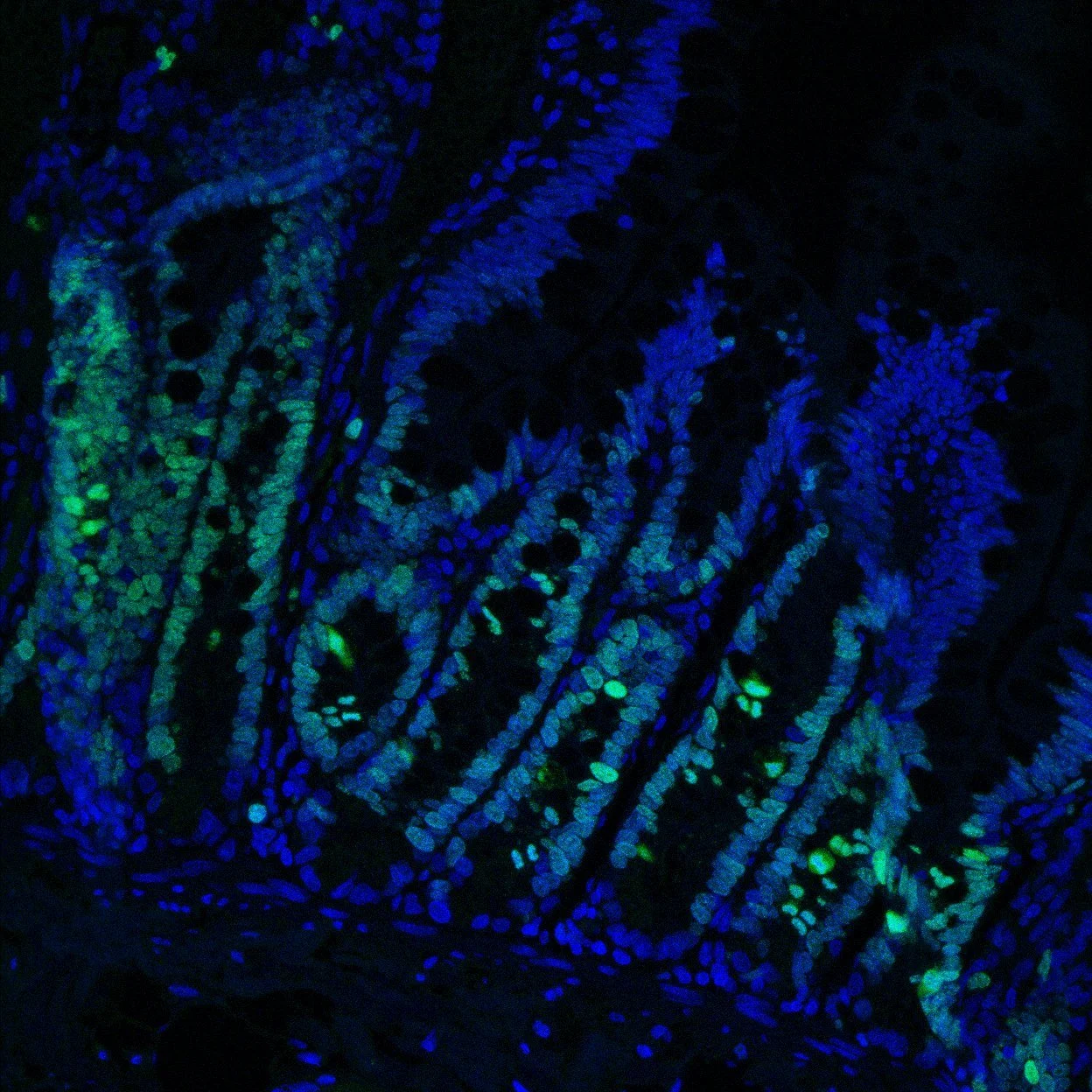
Understanding How Microbes Influence Health and Disease
Our research investigates how microbial communities interact with host tissues to influence tissue-specific and systemic disease. By integrating microbiology, pathology, and animal models, we study how these interactions shape gastrointestinal, liver, and metabolic health and contribute to variation in disease progression and treatment response.
01
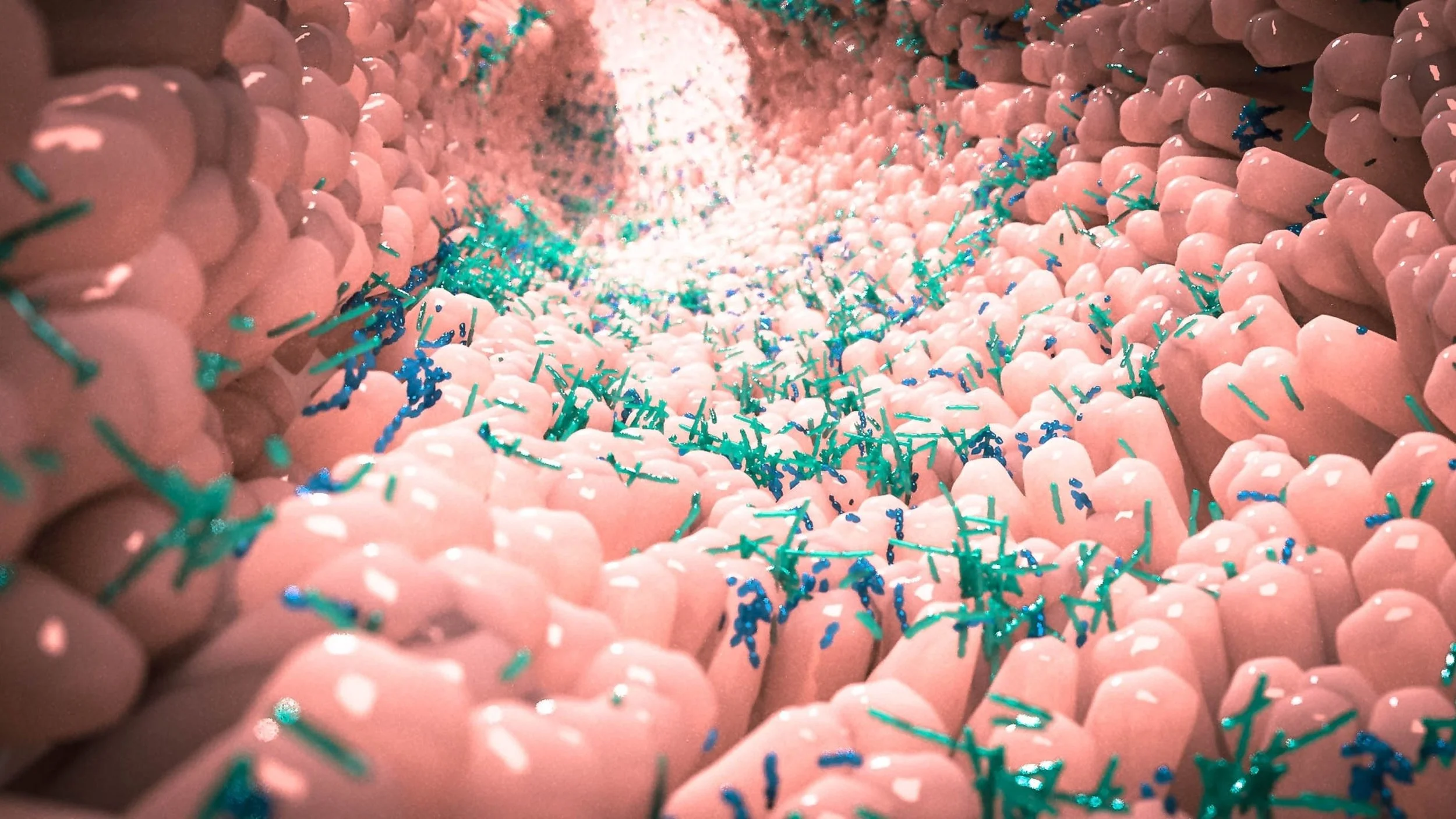
Microbiome and metabolic health
The gut microbiome plays an important role in regulating metabolism, immune function, and communication between the intestine and distant organs. Changes in microbial communities can alter the production of metabolites that affect the liver, pancreas, and other tissues throughout the body. We study how microbial communities and their products influence tissue function and systemic metabolism. Our goal is to identify mechanisms that link the microbiome to metabolic health and disease..
02
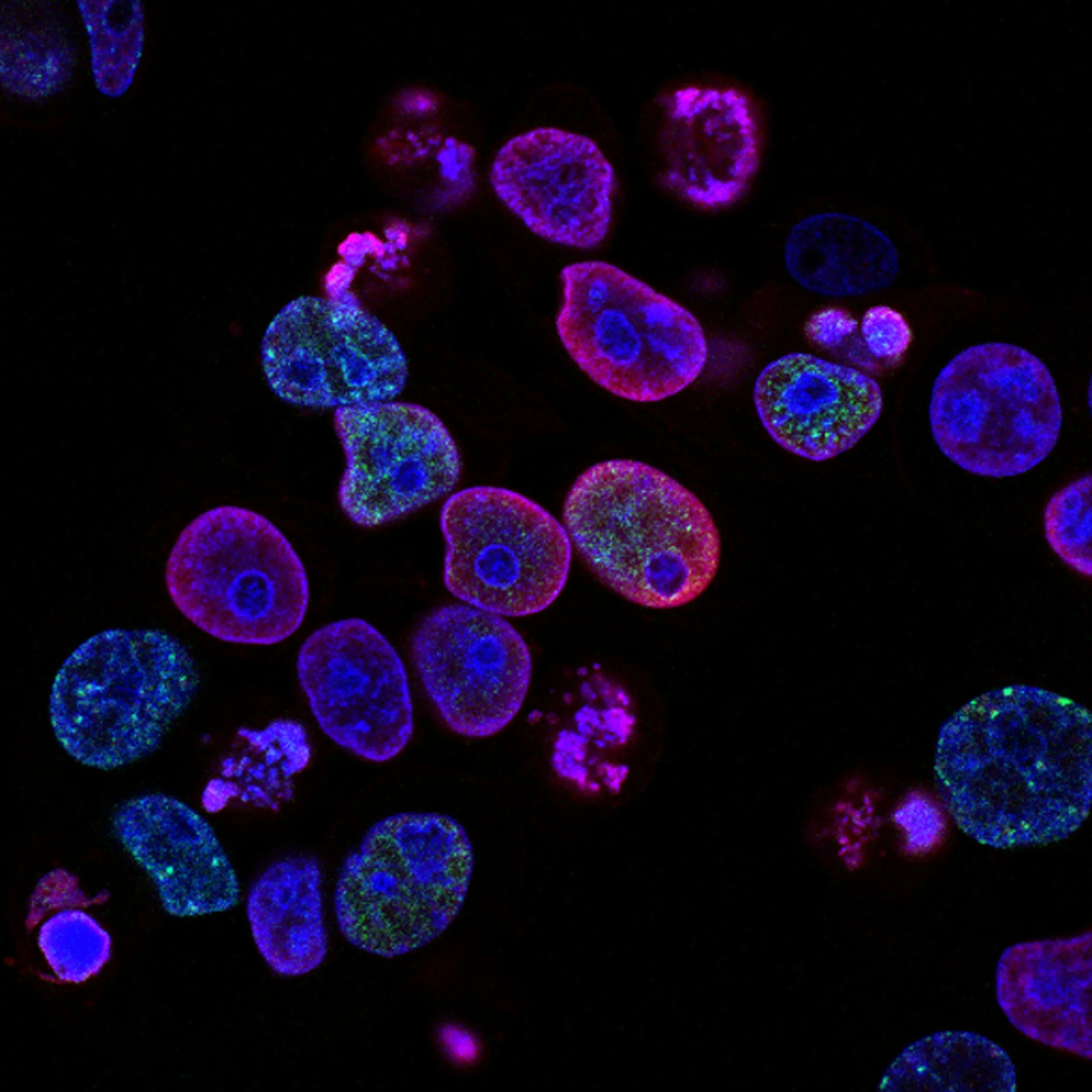
Diet, microbiome, and cancer
Diet can reshape the gut microbiome and alter microbial metabolites, immune responses, and host metabolism. These changes may influence tumor growth and affect how individuals respond to cancer therapies. We investigate how dietary exposures and microbial communities shape the tumor environment, and response to therapy. This work aims to uncover microbiome-dependent mechanisms that contribute to variation in cancer progression and treatment response.
03
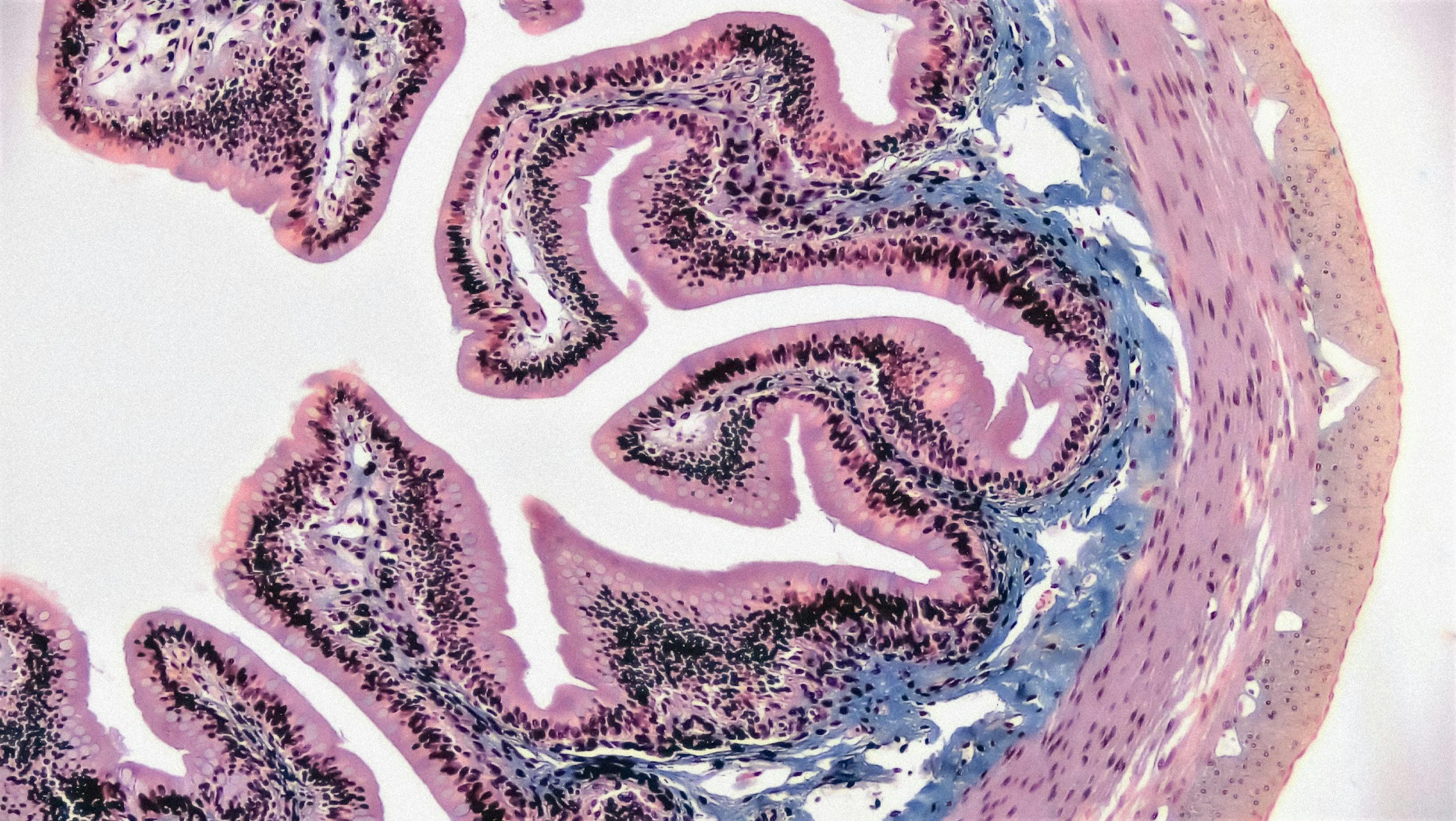
Comparative gastrointestinal disease
Chronic gastrointestinal diseases are common across animal species, yet diagnosis and monitoring often rely on invasive tests that provide only a limited snapshot of disease. We study both naturally occurring disease and experimental models to examine biological processes across clinical and controlled settings. Using comparative pathology, molecular profiling, and clinical data, we investigate disease mechanisms and biomarkers that may be shared across species. A major goal is to develop minimally invasive approaches that better reflect intestinal health and disease over time.
04
Pathology innovation
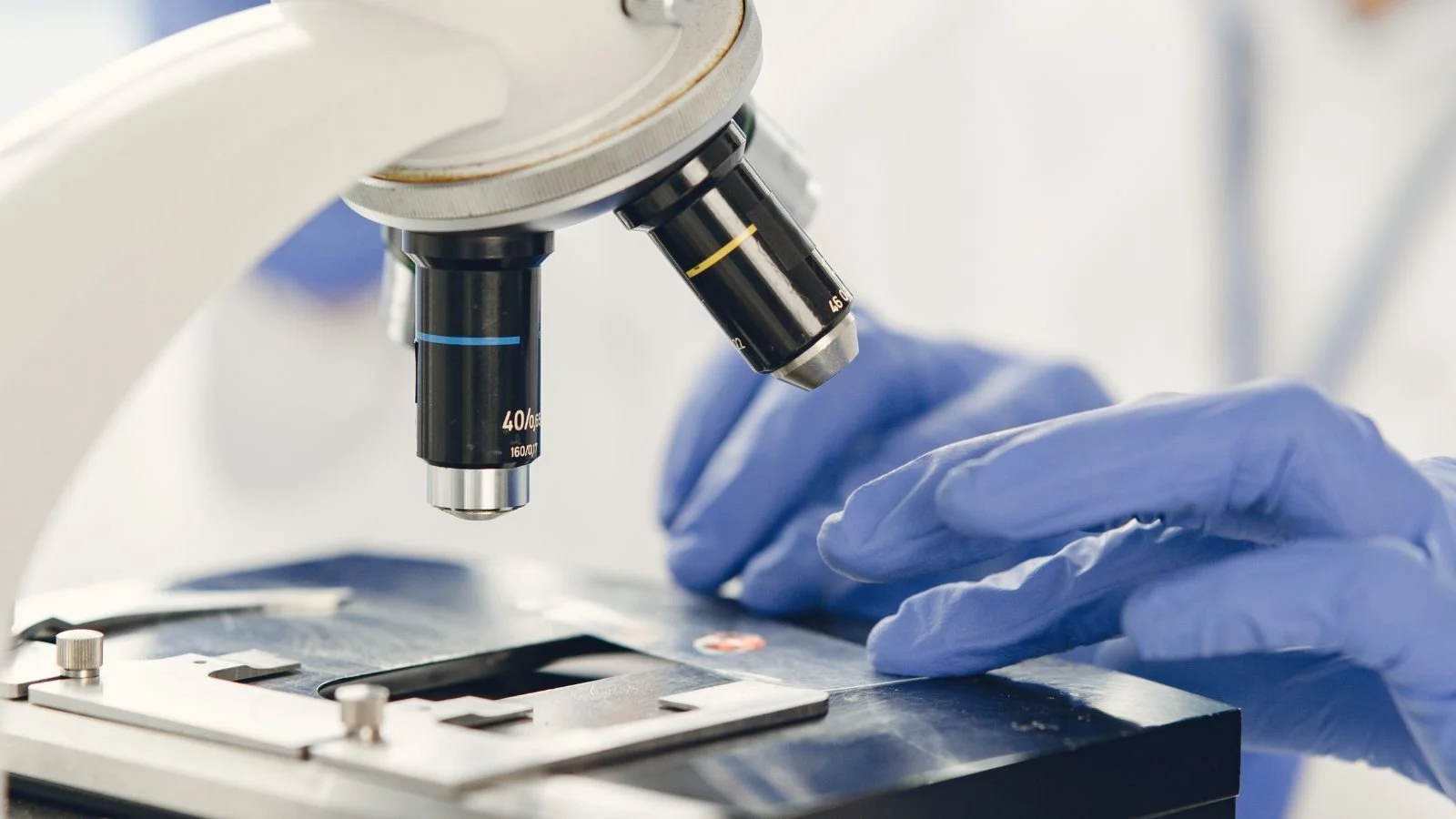
Pathology provides a direct view of how disease changes tissues, but tissue collection, fixation, and processing can introduce distortion that affects diagnosis and quantitative analysis. We develop and evaluate approaches to improve tissue preservation, histologic assessment, and digital pathology. Together, this work aims to improve both research reproducibility and diagnostic interpretation.
US Provisional Application Serial No. 63/904,921 (pending)
Collaborative Research
The Crakes Lab welcomes collaborative projects that benefit from expertise in comparative pathology, gastrointestinal disease, microbiome research, and experimental study design. We can provide histopathologic evaluation, necropsy consultation, tissue-based phenotyping, and interpretation of pathology endpoints in preclinical and translational studies.
For larger collaborative projects, we serve as co-investigators on grant applications where pathology expertise, comparative animal models, or host–microbiome biology are central to the proposed work. We welcome inquiries from investigators seeking pathology consultation, collaborative study development, or longer-term research partnerships.
PUBLICATIONS
Our publications span mechanistic research in host-microbe biology and metabolism, diagnostic and comparative veterinary pathology, and interdisciplinary research across animal and human health.